



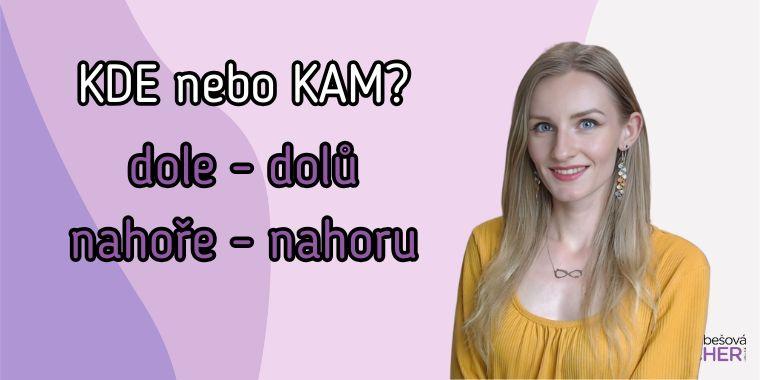
In Czech, we have various pairs of words that look similar but have different meanings:
KDE? → staticky (kde něco JE)
KAM? → směr (kam něco JDE)
1. Příklady dvojic
dole (kde?) –…



Ahoj, já jsem Anna Rubešová, lektorka češtiny pro cizince, bydlím v Mexiku.🌵 I can teach you ČESKY 😊 Tady najdeš online cvičení, příběhhy, poslechy a tipy, jak se učit česky. Pomůže ti to mluvit, rozumět a učit se lépe. 😊 Moje práce➡️ https://linktr.ee/annaczechteacher
This is your space for extra lessons 📚, practice ✍️, and motivation 💪.
Here you’ll find more mini lekce, grammar tips, vocabulary, and exercises that go beyond the free blog.
With PLUS you can:
✅ Procvičovat (practice) Czech every week
✅ Learn real-life examples with clear explanations
✅ Watch videos & listen to audios to improve your listening
✅ Get bonus materials
✅ Take your čeština to the next level – step by step
👉 If you enjoy the free lessons, you’ll love PLUS.
Více lekcí, více praxe, více češtiny.
In Czech, we have various pairs of words that look similar but have different meanings:
KDE? → staticky (kde něco JE)
KAM? → směr (kam něco JDE)
dole (kde?) –…
V angličtině říkáme jen “where”, ale v češtině máme dvě slova:
Kde → ptáme se na místo, kde něco je (staticky – nehýbe se).
Kam → ptáme se na směr, kam něco jde / jede /…

Když mluvíme o minulosti v češtině, děláme minulý čas ve třech krocích:
Vezmi infinitiv slovesa a odstraň -t
mluvit → mluvi-
pracovat → pracova-
mluvil, pracoval
Pak vyber…
zobrazit více
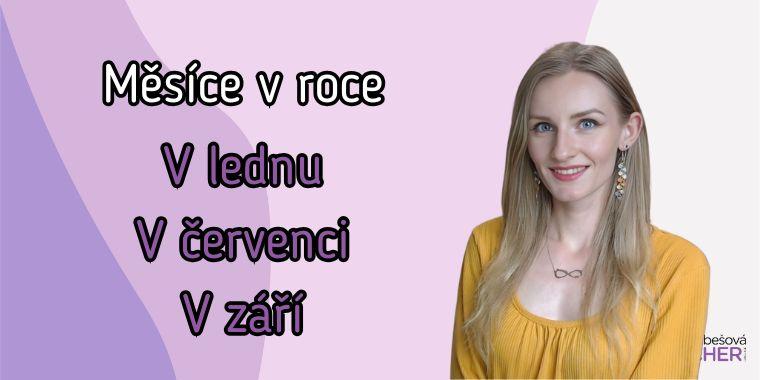
When we talk about something happening in a certain month, we use the locative case of the month with the preposition v (in).
📌 Patterns:
-en → -nu
leden → v…
When we talk about dates in Czech, months change to the genitive case.
-en → -na
leden → ledna
únor → února
březen → března
duben → dubna
květen → května
červen → června
srpen…
👉 In Czech, we often say the time using the next hour, not the current one! Rozumíš? Le
Let’s make it simple:
We talk about how much time has passed toward the next hour:
Čtvrt na…
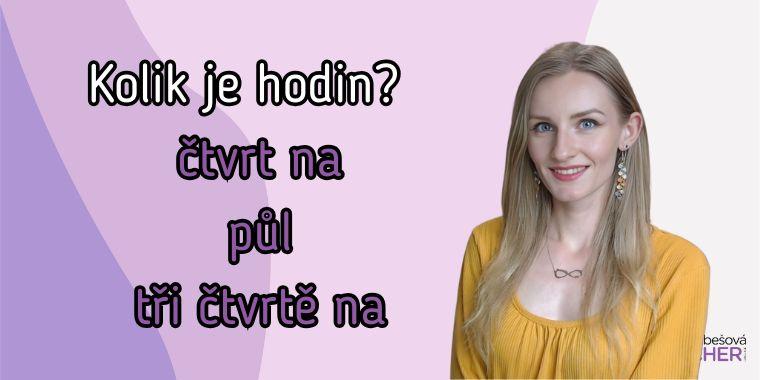
In the lesson #2 (Kolik je hodin) we talked about general experssions of time.
When we say "at what time", we use…
zobrazit více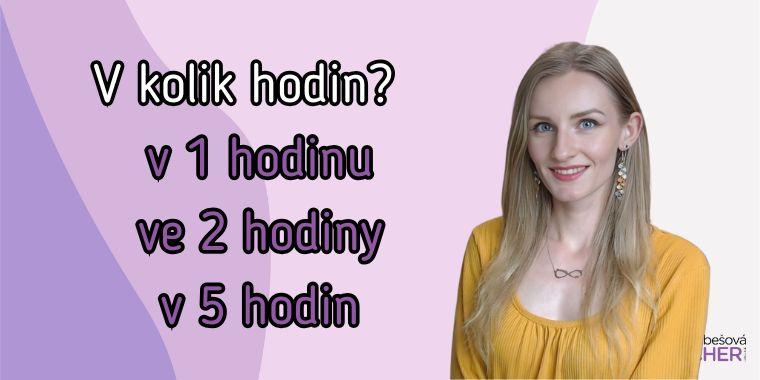
When talking about time, we have to pay attention to:
Verb “to be” (je nebo jsou)
The form of the noun “hodina”
✅ Jak to funguje?
Czech is special — numbers change the word that…
zobrazit více
In Czech we use different prepositions depending on where we are going:
🔵 DO – we go inside, into a building or when we talk about cities and countries
➡️ do školy, do kavárny, do obchodu ➡️ do Česka, do Německa, do Prahy
🟢 NA – we go to an open…
zobrazit více